Le 1,2-éthanedithiol (CAS 540-63-6) est un composé organosulfuré de haute pureté comportant deux groupes thiol (-SH) attachés à un squelette éthylène, présenté sous forme de liquide clair à vert pâle.
Avec une pureté élevée de 99,9 % (GC), ce produit chimique polyvalent sert d'élément de base essentiel dans la synthèse organique, la chimie de coordination des métaux et la fabrication pharmaceutique.
Conçu pour garantir constance et fiabilité, notre 1,2-éthanedithiol répond aux exigences de qualité rigoureuses des laboratoires de recherche et des installations de production à l'échelle industrielle du monde entier, permettant des processus de synthèse précis et efficaces dans diverses applications.
Nom du produit :
1,2-ÉthanedithiolN° CAS :
540-63-6Application :
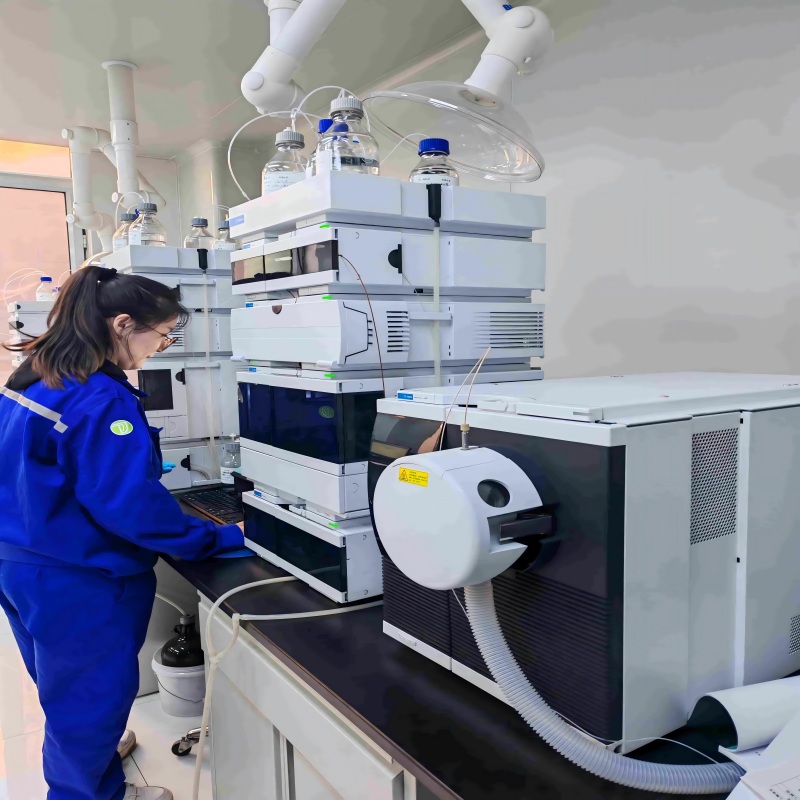
intermédiaires du lénacavirLe 1,2-éthanedithiol (CAS 540-63-6) est produit selon des protocoles de contrôle de qualité stricts afin de garantir une pureté élevée de 99,9 % et de faibles niveaux d'impuretés, ce qui le rend adapté à des applications sensibles telles que la synthèse d'API pharmaceutiques et la recherche sur les matériaux avancés.
Propriétés
Produit : 1,2-éthanedithiol
CAS : 540-63-6
Formule moléculaire : C₂H₆S₂
Masse moléculaire : 94,20 g/mol
Aspect : Liquide clair à vert pâle
Point d'ébullition : 144-146 °C (littérature)
Point de fusion : -41 °C (littérature)
Densité : 1,123 g/mL à 25 °C (litt.)
Solubilité : Insoluble dans l'eau ; miscible avec l'éthanol, l'éther, l'acétone et le benzène
Spécification
| Articles | Caractéristiques |
| Apparence | liquide clair incolore |
| Pureté | 99,9 % min |
Applications
Le 1,2-éthanedithiol est un réactif multifonctionnel largement utilisé en synthèse organique, en industrie pharmaceutique et en science des matériaux, grâce à sa réactivité thiol unique et à ses propriétés de ligand bidentate. Ses principales applications sont les suivantes :
1. Synthèse de principes actifs pharmaceutiques (production de lénacapavir) : Une application essentielle du 1,2-éthanedithiol réside dans son utilisation comme agent protecteur de groupements thioacétal lors de la synthèse du lénacapavir (Sunlenca®), un puissant inhibiteur de la capside du VIH-1. Au cours du procédé de fabrication du principe actif, il réagit avec les doubles liaisons actives des intermédiaires clés, les acides pyrazolecarboxyliques bicycliques (sous catalyse par l’acide p-toluènesulfonique, p-TsOH, dans l’acide acétique), pour former des structures thioacétal stables. Cette protection prévient les réactions secondaires indésirables (addition, polymérisation, oxydation, etc.) lors des étapes ultérieures à haute activité, telles que la fluoration (par exemple, avec des systèmes HF·py). Le groupement thioacétal peut être efficacement déprotégé par hydrolyse acide (p-TsOH/MEK-H₂O) ultérieurement au cours de la synthèse, garantissant ainsi l’intégrité du squelette moléculaire cible. Cette stratégie de protection-déprotection contribue à des rendements de processus élevés (≥80% pour la séquence en deux étapes) et à une évolutivité, la rendant indispensable pour la production à grande échelle de Lenacapavir.
2. Synthèse organique et formation d'hétérocycles : Largement utilisée pour la synthèse de 1,3-dithiolanes par condensation avec des aldéhydes ou des cétones, cette méthode permet d'obtenir des intermédiaires précieux pour la construction de molécules organiques complexes. Elle permet également la synthèse d'acides dithiazépan-3-yl-alcanoïques par cyclocondensation avec des acides aminés et du formaldéhyde, contribuant ainsi à la découverte de médicaments et au développement de la chimie fine.
3. Chimie de coordination des métaux : Ce ligand bidentate forme des complexes chélates stables avec divers ions métalliques (par exemple, les métaux de transition). Ces complexes sont utilisés en catalyse, en science des matériaux et pour le développement de catalyseurs métalliques destinés aux procédés chimiques industriels.
4. Synthèse et déprotection des peptides : Sert de capteur efficace dans la synthèse peptidique en phase solide (SPPS), facilitant la déprotection des résines peptidiques en éliminant les sous-produits réactifs et en assurant la pureté des produits peptidiques finaux.
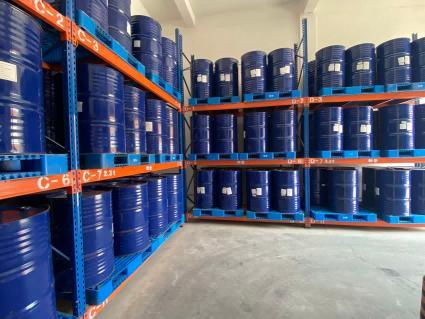
Emballer
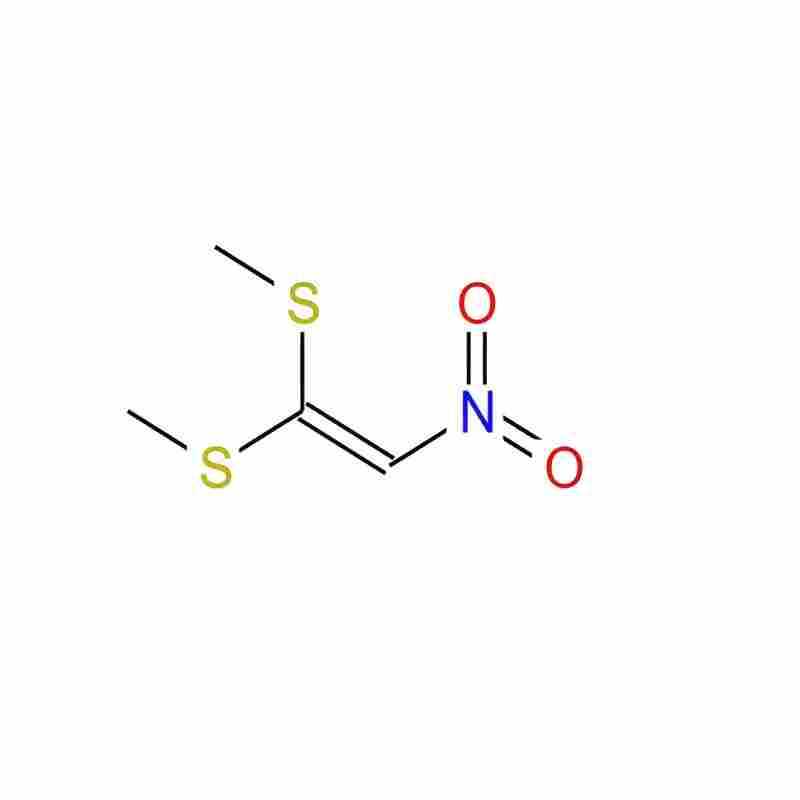
Le 1,1-bis(méthylthio)-2-nitroéthylène (BMNE), portant le numéro CAS 13623-94-4, est un composé organique soufré de haute pureté, largement reconnu comme un intermédiaire essentiel en synthèse chimique fine. En tant que fournisseur professionnel, nous respectons des normes de contrôle qualité rigoureuses tout au long du processus de production, garantissant ainsi que notre BMNE réponde aux exigences strictes des industries pharmaceutique, agrochimique et des sciences des matériaux.
VOIR PLUS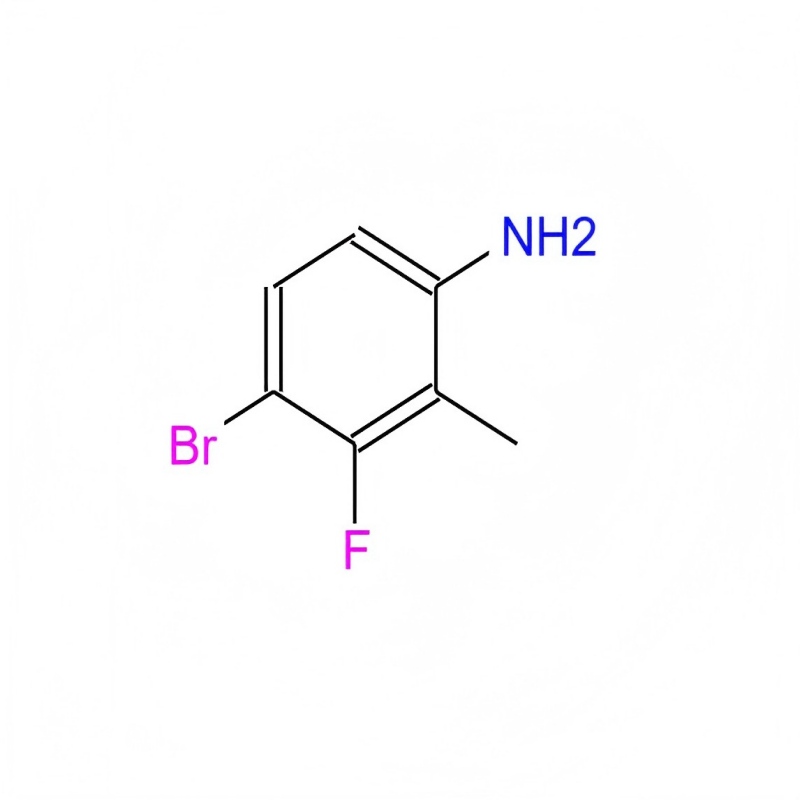
En tant que composé contenant du fluor, la 4-bromo-3-fluoro-2-méthylaniline (CAS 127408-03-1) est un élément constitutif essentiel dans la synthèse de composés organiques complexes. DUDLEY fabrique du 4-bromo-3-fluoro-2-méthylaniline CAS : 127408-03-1 en utilisant des procédés de synthèse raffinés et des mesures de contrôle de qualité strictes pour garantir une pureté minimale de 99 %, répondant aux normes rigoureuses des industries pharmaceutiques et agrochimiques. Grâce à un support technique complet et à des capacités d'approvisionnement mondiales, DUDLEY permet une intégration transparente de cet intermédiaire dans vos flux de production, de la R&D à l'échelle du laboratoire à la fabrication à l'échelle commerciale.
VOIR PLUS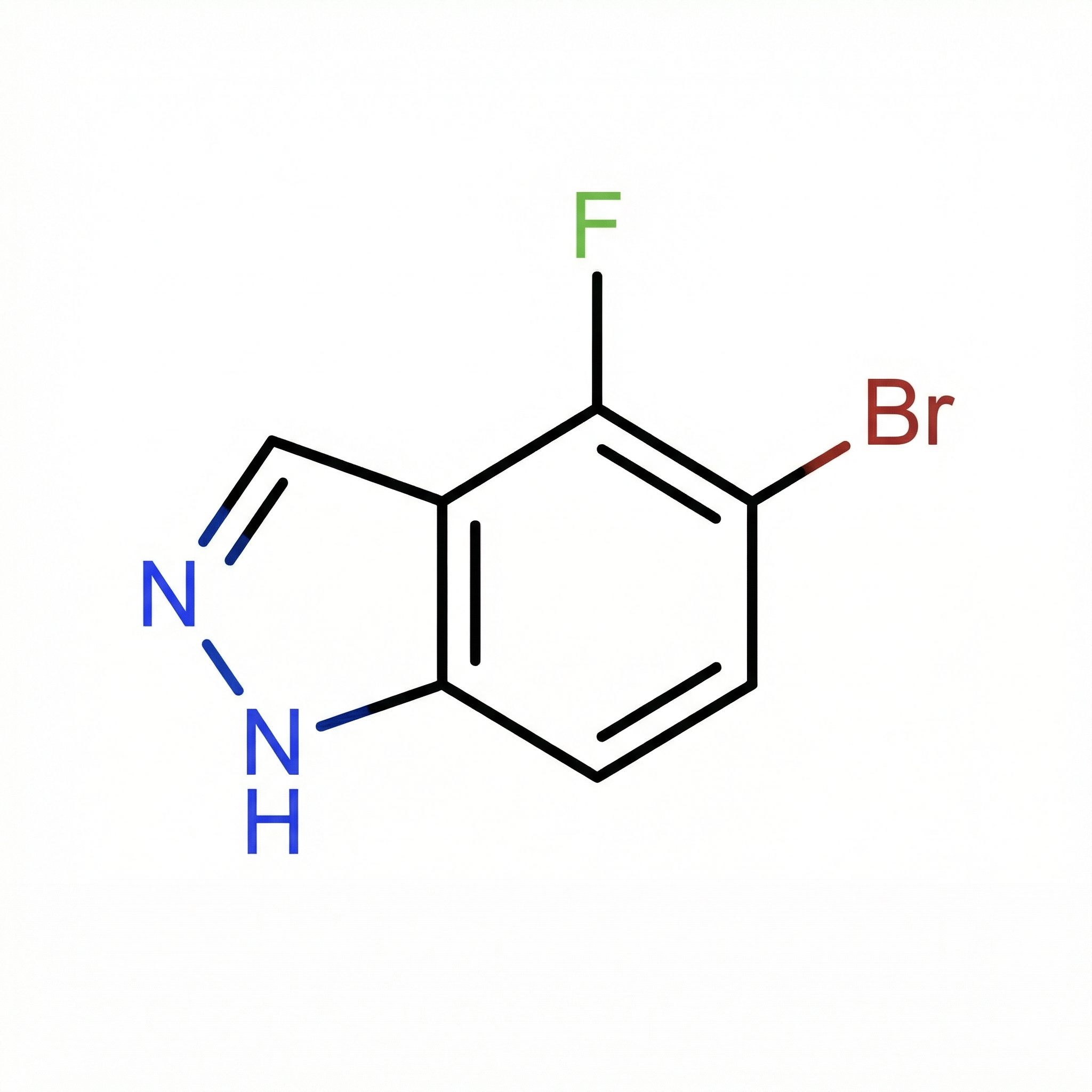
Le 5-bromo-4-fluoro-1H-indazole (CAS : 1082041-85-7) est un composé hétérocyclique de haute pureté, largement reconnu comme intermédiaire essentiel en synthèse pharmaceutique. En tant que fournisseur professionnel, nous respectons des normes de contrôle qualité rigoureuses tout au long du processus de production, garantissant ainsi que notre produit réponde aux exigences strictes de la recherche pharmaceutique et de la fabrication de principes actifs pharmaceutiques (API) à l’échelle mondiale.
VOIR PLUS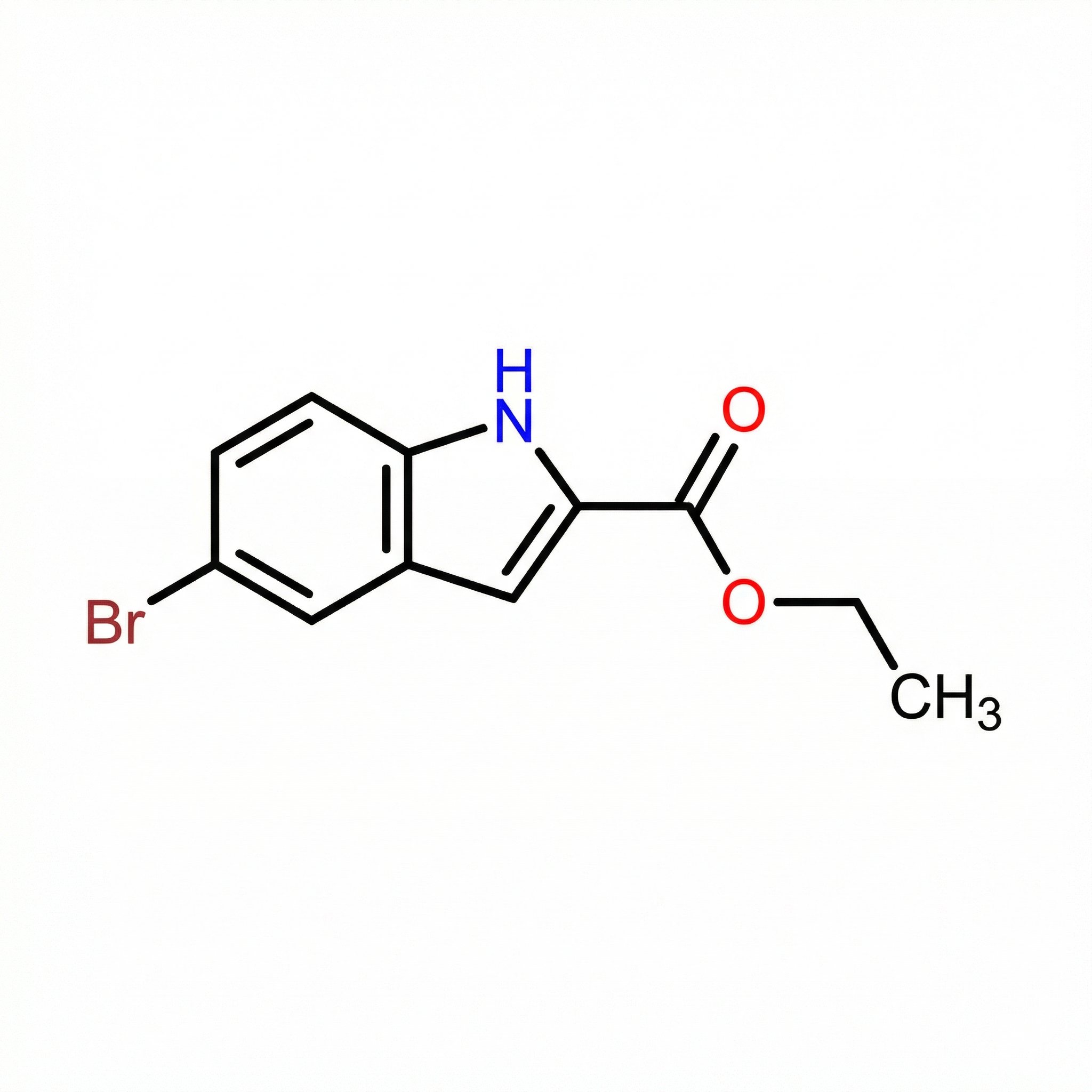
L'éthyl 5-bromo-1H-indole-2-carboxylate (CAS 16732-70-0) est un dérivé d'indole de haute pureté, largement reconnu comme intermédiaire essentiel en synthèse pharmaceutique et en chimie médicinale. En tant que fournisseur professionnel, nous respectons des normes de contrôle qualité rigoureuses tout au long du processus de production, garantissant ainsi que notre produit réponde aux exigences strictes de la recherche et du développement pharmaceutiques et de l'industrie de la chimie fine.
VOIR PLUS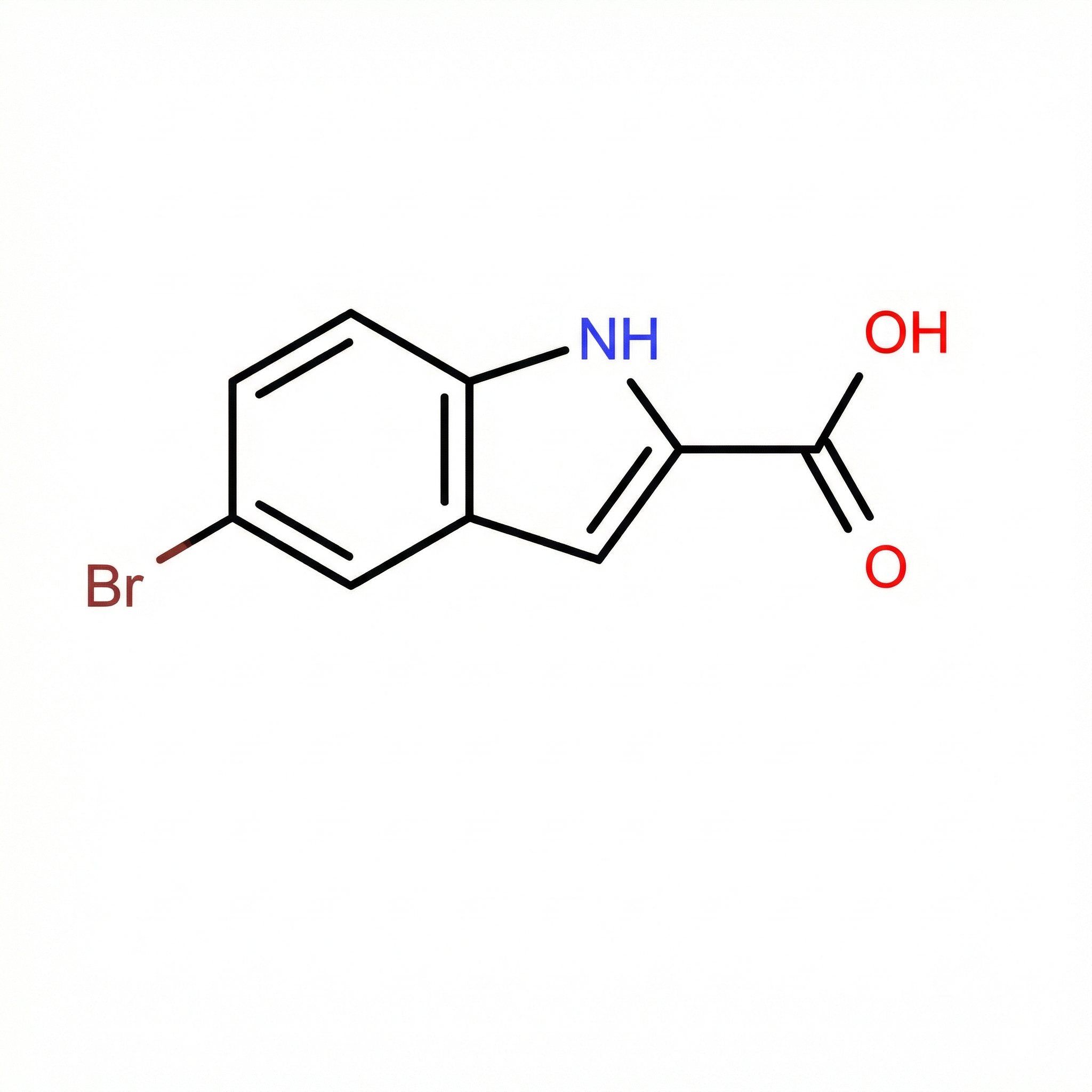
L'acide 5-bromo-2-indolecarboxylique (CAS : 7254-19-5) est un composé hétérocyclique de haute pureté, largement reconnu comme intermédiaire essentiel en synthèse pharmaceutique et en chimie médicinale. En tant que fournisseur spécialisé, nous respectons des normes de contrôle qualité rigoureuses tout au long du processus de production, garantissant ainsi que notre produit réponde aux exigences strictes de la recherche et du développement pharmaceutiques et de la fabrication de produits chimiques fins à l'échelle mondiale.
VOIR PLUS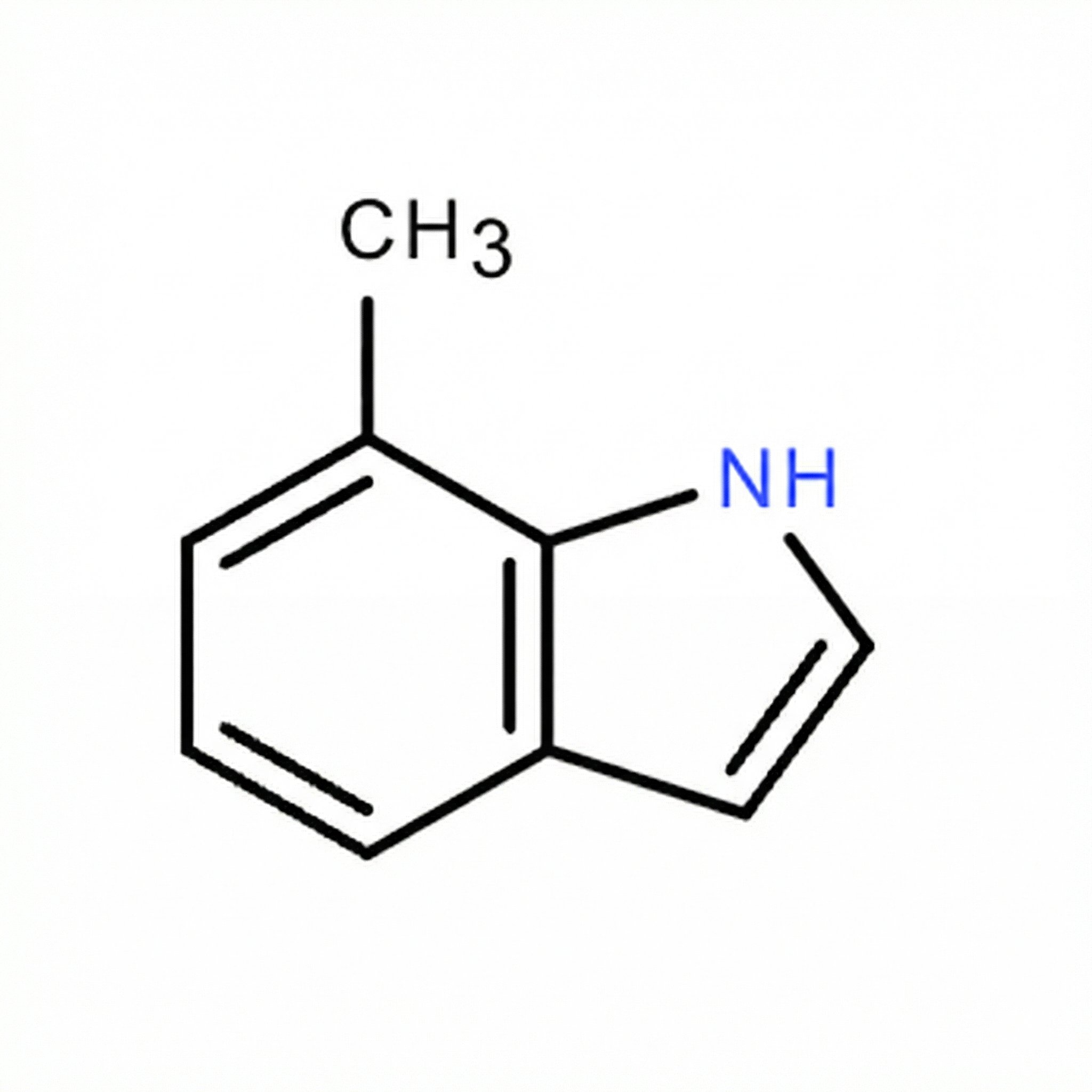
Le 7-méthylindole (CAS : 933-67-5) est un dérivé de l'indole de haute pureté, largement reconnu comme intermédiaire essentiel en synthèse pharmaceutique et en production de produits chimiques fins. En tant que fournisseur professionnel, nous respectons des normes de contrôle qualité rigoureuses tout au long du processus de production, garantissant ainsi que notre 7-méthylindole réponde aux exigences strictes des industries pharmaceutique, agrochimique et de recherche chimique.
VOIR PLUS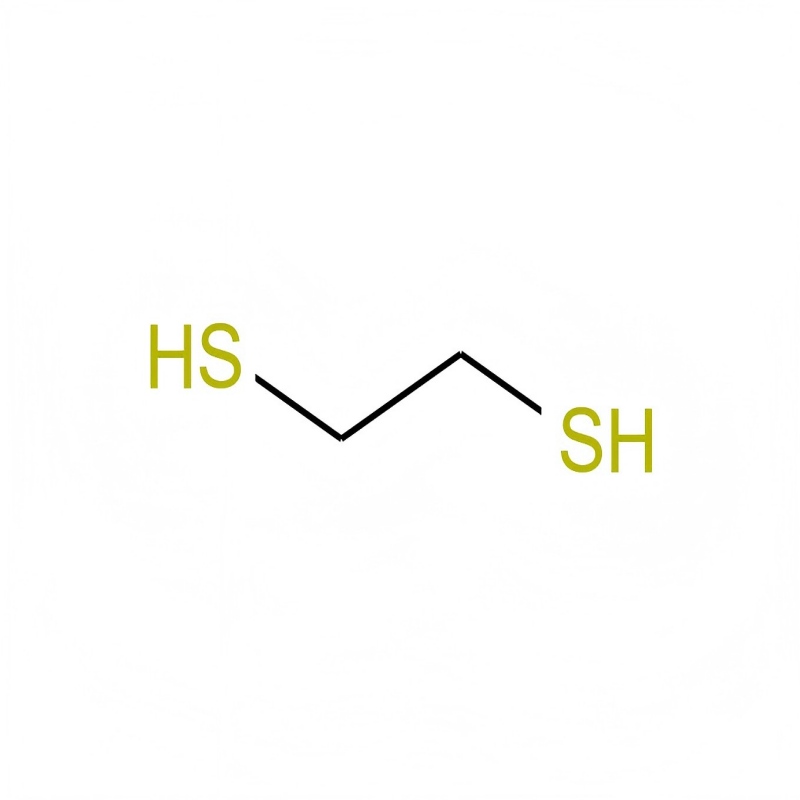
Le 1,2-éthanedithiol (CAS 540-63-6) est un composé organosulfuré de haute pureté comportant deux groupes thiol (-SH) attachés à un squelette éthylène, présenté sous forme de liquide clair à vert pâle.Avec une pureté élevée de 99,9 % (GC), ce produit chimique polyvalent sert d'élément de base essentiel dans la synthèse organique, la chimie de coordination des métaux et la fabrication pharmaceutique. Conçu pour garantir constance et fiabilité, notre 1,2-éthanedithiol répond aux exigences de qualité rigoureuses des laboratoires de recherche et des installations de production à l'échelle industrielle du monde entier, permettant des processus de synthèse précis et efficaces dans diverses applications.
VOIR PLUS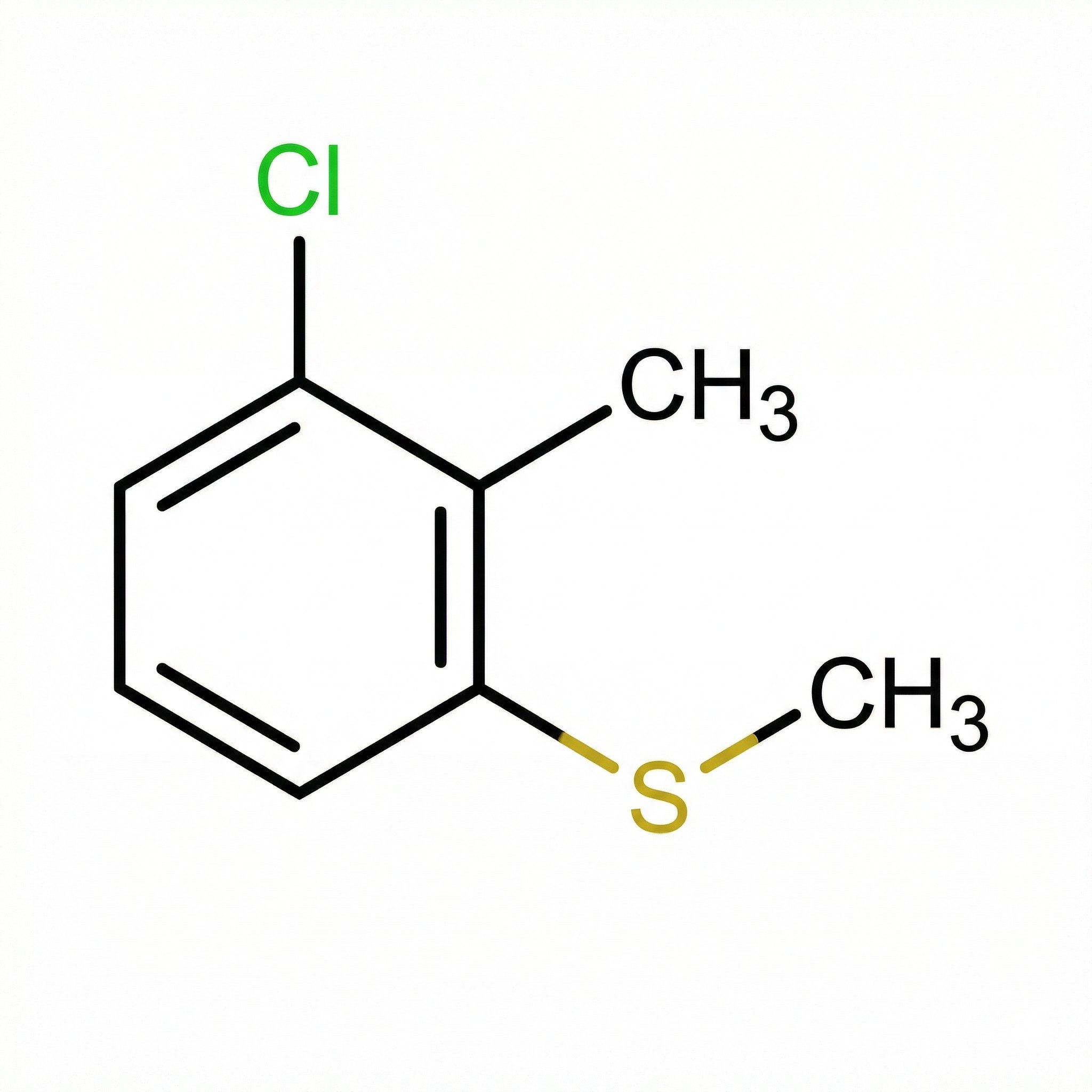
Le 3-chloro-2-méthylphényl méthylsulfure (CAS : 82961-52-2) est un intermédiaire sulfuré aromatique de haute pureté. Il est reconnu comme un élément de base essentiel à la synthèse de l'herbicide tricétone tembotrione. En tant que fournisseur spécialisé, nous garantissons une qualité constante (pureté GC ≥ 99 %) et un approvisionnement fiable pour soutenir l'industrie agrochimique mondiale.
VOIR PLUS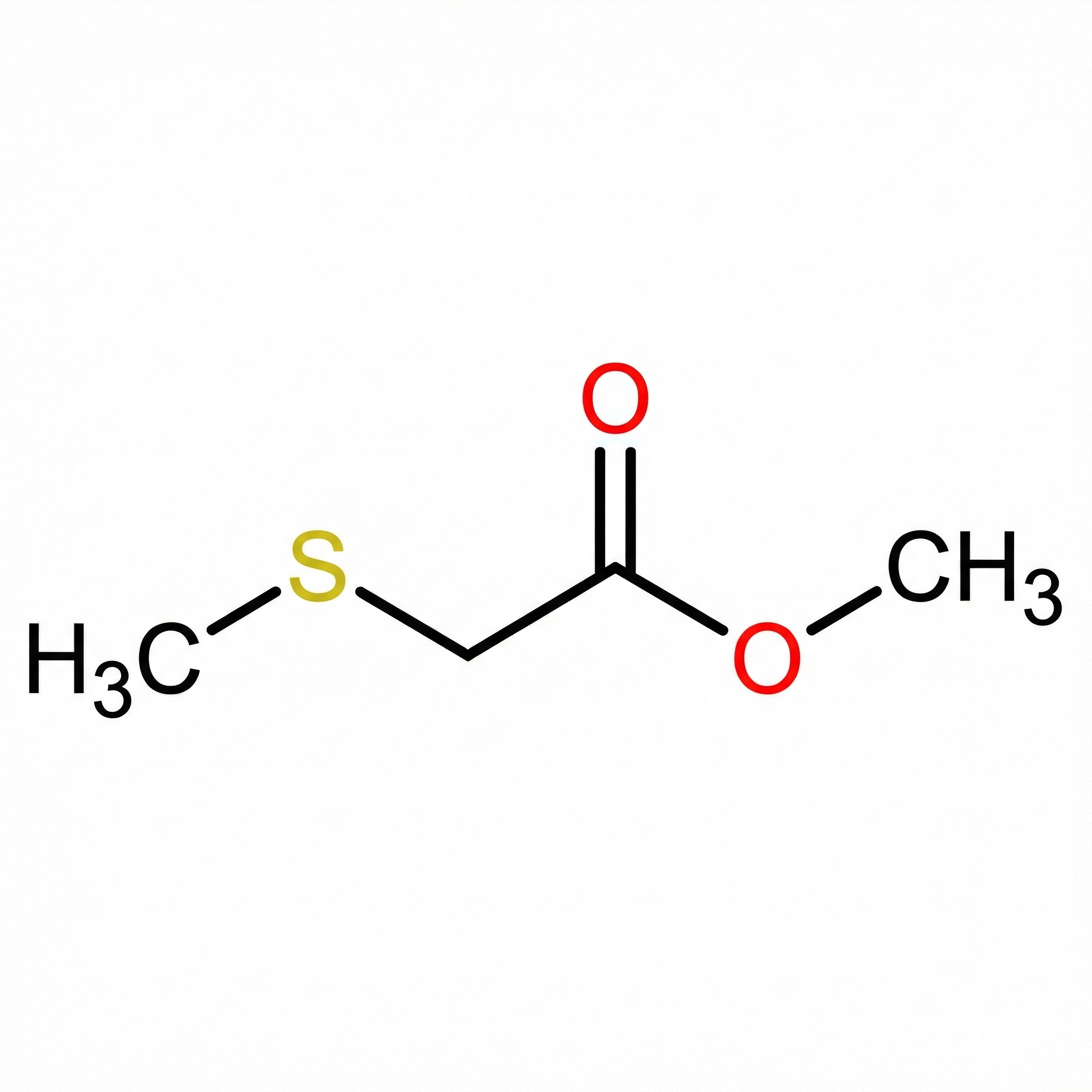
Le (méthylthio)acétate de méthyle (CAS 16630-66-3) est un composé organique soufré de haute pureté. Il constitue un élément de base polyvalent en synthèse pharmaceutique (pour les composés hétérocycliques) et est également utilisé comme matière première dans l'industrie des arômes et des parfums. En tant que fournisseur professionnel, nous garantissons une qualité constante, avec un indice d'acide et une teneur en humidité rigoureusement contrôlés, afin de répondre aux besoins de diverses applications industrielles.
VOIR PLUS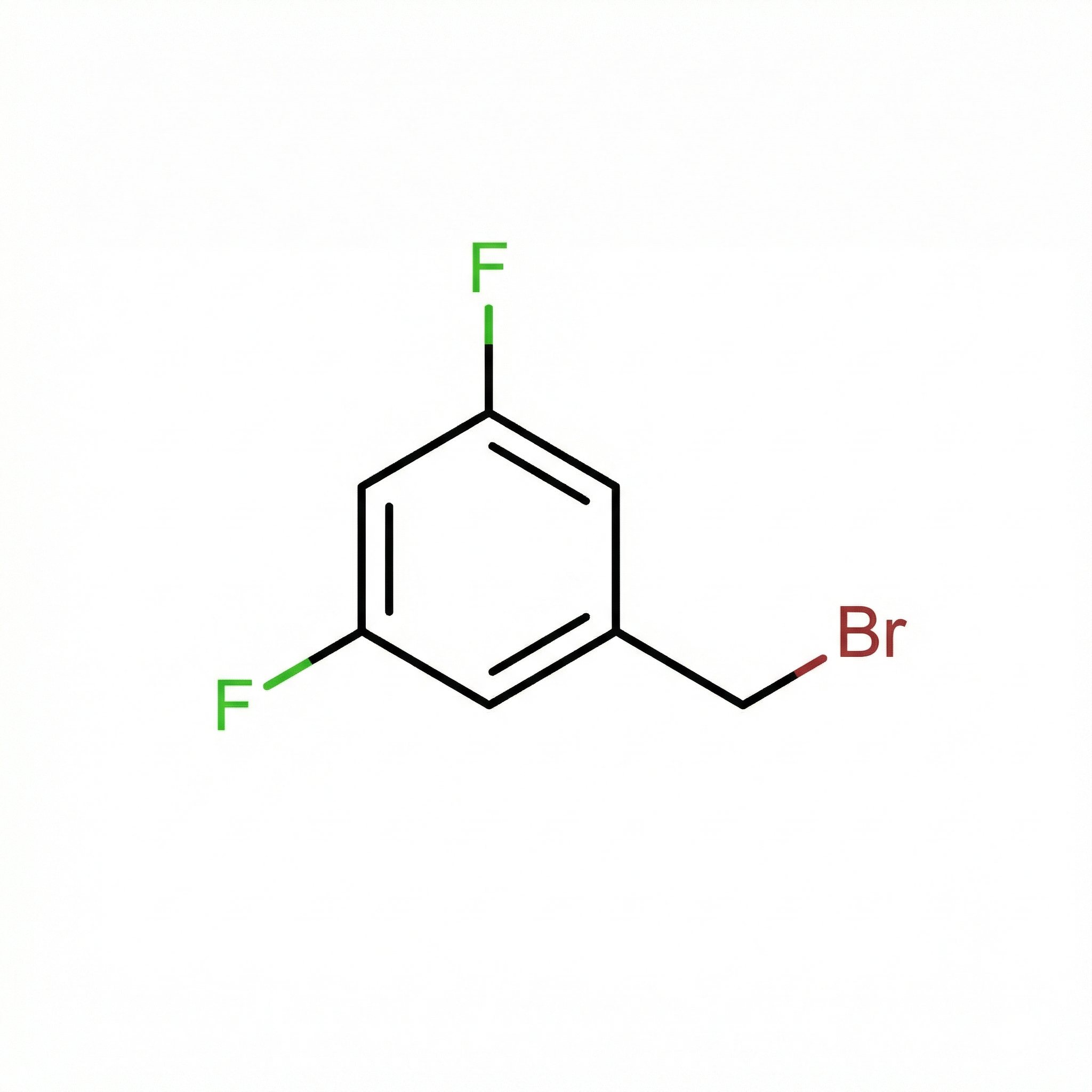
Le bromure de 3,5-difluorobenzyle (CAS 141776-91-2) est un halogénure de benzyle fluoré de haute pureté, largement reconnu comme agent alkylant essentiel en synthèse pharmaceutique et agrochimique. En tant que fournisseur professionnel, nous respectons des normes de contrôle qualité rigoureuses tout au long du processus de production, garantissant ainsi que notre produit réponde aux exigences strictes de la recherche pharmaceutique et de la fabrication de produits chimiques fins à l'échelle mondiale, avec une attention particulière portée au contrôle de l'humidité et à la sécurité de l'emballage.Grâce à un support technique complet et à des capacités d'approvisionnement mondiales, DUDLEY permet une intégration transparente de cet intermédiaire dans vos flux de production, de la R&D à l'échelle du laboratoire à la fabrication à l'échelle commerciale.
VOIR PLUS

Pour toute question concernant nos produits, veuillez nous contacter en ligne. inquiry@relybopharma.com



Droits d'auteur
@ RELYBO PHARMACHEMICAL CO., LTD Tous droits réservés.
 RÉSEAU PRIS EN CHARGE
laisser un message
Scannez vers WeChat :

Scannez vers WhatsApp :